

Introduction
As a literature lover, I have always believed that stories are not only meant to be read but also to be experienced, understood, and felt deeply.
I wrote this article to explore how digital storytelling tools in 2026 are giving literature a new life through technology, creativity, and human imagination.
In 2026, stories can appear through text, images, audio, video, maps, timelines, animation, AI visuals, and interactive platforms.
This change does not mean traditional literature has lost its value. Instead, digital storytelling gives literature new forms and wider possibilities.
Let me tell you more about them.
Table of Contents
ToggleWhat Are Digital Storytelling Tools?
- Digital storytelling tools are apps, software, or online systems used to create stories with digital media.
They combine writing with visuals, sound, video, maps, animation, and interactive features. - These tools turn a simple story into an active experience.
Readers can click, scroll, listen, watch, explore, and sometimes choose the story’s direction. - In literature, these tools can explain novels, poems, characters, themes, and author biographies.
They are also useful for digital exhibits, classroom projects, and interactive fiction. - The purpose of these tools is not to replace writing.
Their real purpose is to make storytelling clearer, richer, and more engaging.
Why Digital Storytelling Matters in Modern Literature
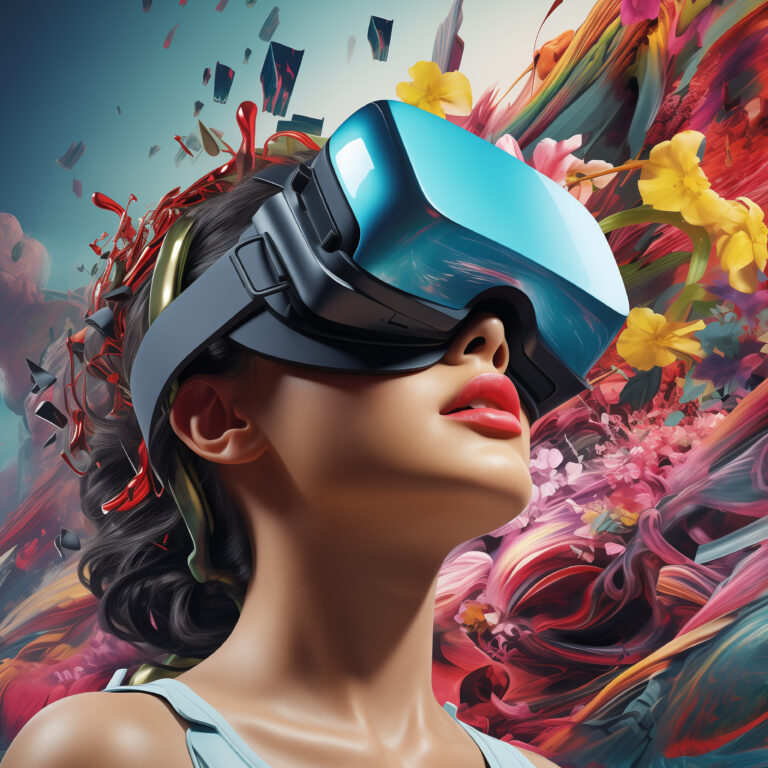
- Modern literature is now connected with websites, e-books, blogs, apps, and social media.
Readers meet stories on screens as much as they meet them in printed books. - Digital storytelling helps readers experience literature in more than one way.
They can read, listen, view, interact, and explore the story world. - Students can understand difficult literary ideas more easily through digital tools.
Themes, symbols, settings, and characters become clearer through visuals and interactive formats. - Writers can add images, sounds, maps, timelines, and choices to their stories.
This gives literature a more flexible and modern form. - For literature websites, digital storytelling is a strong topic.
It connects literature, technology, AI, education, and future reading trends.

- Text is the foundation of every digital story.
Without strong writing, even the best design cannot make a story meaningful. - Images help readers understand characters, settings, moods, and historical backgrounds.
They make the story more visual and memorable. - Audio adds emotion, rhythm, and voice to storytelling.
It is useful for poetry, narration, interviews, podcasts, and oral histories. - Video can explain stories more visually.
It works well for book trailers, summaries, author introductions, and classroom content. - Maps are useful when stories are connected with places.
They help explain travel literature, historical fiction, migration, and cultural stories. - Timelines show events in a clear order.
They are useful for author biographies, literary periods, publication history, and novel events. - Interactivity allows readers to take part in the story.
Buttons, choices, quizzes, scrolling effects, and links make reading more active. - AI can help with ideas, outlines, images, and visual planning.
However, real emotion and imagination still come from human creativity.
Modern Digital Storytelling Tools and Platforms Used in 2026
Adobe Firefly is a modern AI tool by Adobe.
It helps creators make images, visual ideas, text effects, and creative designs.
Canva AI is useful for posters, presentations, videos, and story visuals.
It is simple, fast, and helpful for students, bloggers, teachers, and creators.
Microsoft Designer is an AI-powered design tool.
It helps users create graphics, banners, social posts, and visual storytelling content.
Adobe Express is a simple platform for videos, posters, presentations, and visual stories.
It is useful for beginners who want polished content without advanced design skills.
Storydoc is used for interactive presentations and storytelling documents.
It can support reports, educational projects, and presentation-style digital stories.
Vev is a no-code platform for interactive web pages.
It is useful for visual essays, creative reports, and advanced digital storytelling projects.
Best Digital Storytelling Tools in 2026
Twine is one of the best tools for interactive and nonlinear stories.
It allows readers to make choices and move through different story paths.
TimelineJS is used to create visual timelines.
It is useful for author biographies, literary history, novel events, and publication timelines.
StoryMapJS helps creators tell stories through maps.
It works well for travel writing, historical fiction, world literature, and place-based stories.
SoundCite adds short audio clips inside written text.
It is useful for poetry readings, speeches, interviews, and oral storytelling.
JuxtaposeJS compares two images through a slider.
It can show old and new book covers, manuscripts, places, or visual changes.
StorylineJS combines data with storytelling through line charts.
It can show reading trends, book history, and literary popularity.
H5P helps create interactive videos, quizzes, presentations, and activities.
It is useful for online lessons, student projects, and literature learning.
Best Digital Storytelling Platforms in 2026
Adobe Express is useful for quick visual storytelling.
It can create book reports, poetry visuals, short videos, and author presentations.
ArcGIS StoryMaps combines maps, text, images, video, and multimedia.
It is strong for place-based literature, travel writing, history, and cultural stories.
Shorthand is a no-code platform for long-form visual stories.
It is useful for scrollytelling, digital features, visual essays, and immersive articles.
Vev helps creators build interactive web pages and visual experiences.
It works well for creative literary essays, reports, and multimedia projects.
PandaSuite is a no-code platform for interactive experiences and web stories.
It is useful for e-learning, mobile stories, e-books, and immersive digital projects.
Genially creates interactive presentations, infographics, quizzes, and animations.
Teachers and students can use it to make literature projects more engaging.
Flourish is used for data visualization and data storytelling.
It can show reading habits, book trends, publishing data, and literary statistics.
Omeka is an open-source platform for digital collections and exhibits.
It is useful for manuscripts, author letters, rare books, archives, and cultural material.
Scalar is used for long-form digital scholarship.
It helps writers and researchers combine media with academic writing.
Older tools do not become useless if their purpose is still clear.
A good tool remains valuable when it solves a real, creative, or educational problem.
Examples of Digital Storytelling in Literature and Education

A writer can use Twine to create a story where readers choose what happens next.
This is useful for mystery fiction, fantasy, experimental writing, and classroom activities.
Students can use TimelineJS to create timelines of Shakespeare, Austen, Dickens, or Woolf.
This makes literary history easier to understand and remember.
Teachers can use StoryMapJS or ArcGIS StoryMaps to show places in a novel.
This is useful for travel literature, historical fiction, war novels, and world literature.
SoundCite or Audacity can present a poem with voice narration.
This helps readers understand rhythm, tone, emotion, and pronunciation.
Omeka can create online exhibits of manuscripts, rare books, letters, and photographs.
It is useful for literature, history, archives, and cultural studies.
Students can create multimedia projects on summaries, characters, themes, and symbols.
This makes literature more visual, creative, and easier to present.
Flourish can show book trends, reading habits, publishing data, and audiobook growth.
Charts and maps can make literary data more interesting and easier to understand.
Future Trends of Digital Storytelling in Literature

In the future, readers may not experience the same story in the same way. AI can help make stories more personalized to a reader’s age, interests, reading level, and learning needs.
Storycaster is a research project on AI room-based storytelling, in which voice commands, generated images, ambient audio, and a narrator agent can change the story environment.
Jigsaw is a research project that combines AR and Internet of Things devices to help beginners create immersive stories with both virtual and physical objects.
Adobe Firefly Video Tools support AI-driven video creation and translation, helping writers and educators create multilingual visual stories.
Google DeepMind and Primordial Soup are working on AI-assisted short films, showing how generative AI is entering cinematic and visual storytelling.
Stan Lee AI Voice and Likeness Project is a recent example of AI voice revival for books, audiobooks, and digital media.
AI at Cannes 2026 shows that artificial intelligence is becoming a major topic in storytelling, cinema, creativity, and authenticity.
Challenges of Digital Storytelling
AI tools and templates can make stories look similar.
Writers must add personal voice, fresh ideas, and human experience.
Students and creators may copy AI-generated content without understanding it.
Ethical writing, rewriting, and proper credit are still important.
Too many visuals and effects can distract readers from deep thinking.
Digital storytelling should support meaning, not replace it.
Creators may depend too much on tools and forget the importance of strong writing.
A beautiful platform cannot fix weak content or poor storytelling.
Not everyone has access to paid tools, fast internet, or advanced devices.
Free and open-source tools are still important for students and independent creators.
Technology can make a story attractive, but it cannot automatically make it meaningful.
True emotional depth comes from human experience and imagination.
Conclusion
Digital storytelling is not the end of literature.
It is a new stage in the long history of storytelling.
In 2026, digital storytelling tools will help writers, teachers, students, and researchers create richer stories.
They make literature more visual, interactive, accessible, and modern.
Still, the most important part of storytelling is not the tool.
Technology can change the form of storytelling, but human imagination will always remain its soul.
Other Useful Tools and Platforms
- Microsoft Designer can be used for AI-based graphics and visual content.
It is useful for banners, posts, visuals, and simple design projects. - Inform is useful for interactive fiction and text-based literary games.
It is better suited to advanced users and digital narrative projects. - A-Frame can be used for VR and 3D web experiences.
It is useful for immersive storytelling and virtual literary worlds. - Audacity is useful for audio editing, podcasting, and poetry narration.
It is free and helpful for oral storytelling projects. - Storydoc is useful for interactive documents and presentation-style storytelling.
It can support reports, pitches, and educational presentations. - Tome can be used for AI-supported presentations and visual storytelling.It is useful for creators who want quick story-based presentation drafts.